Early access · Limited onboarding

The jewelry intelligence layer
for the jewelry trade.

A jewelry-native storefront, a live inventory and marketplace for stones and SKUs, a built-in AI team that handles memos, repairs, restocks and reprices — and the connectors to plug into whatever ERP you already run. One platform that closes the gap between your management system and how the jewelry trade actually works.

Two ways in: spin up a brand-new jewelry website below, or .

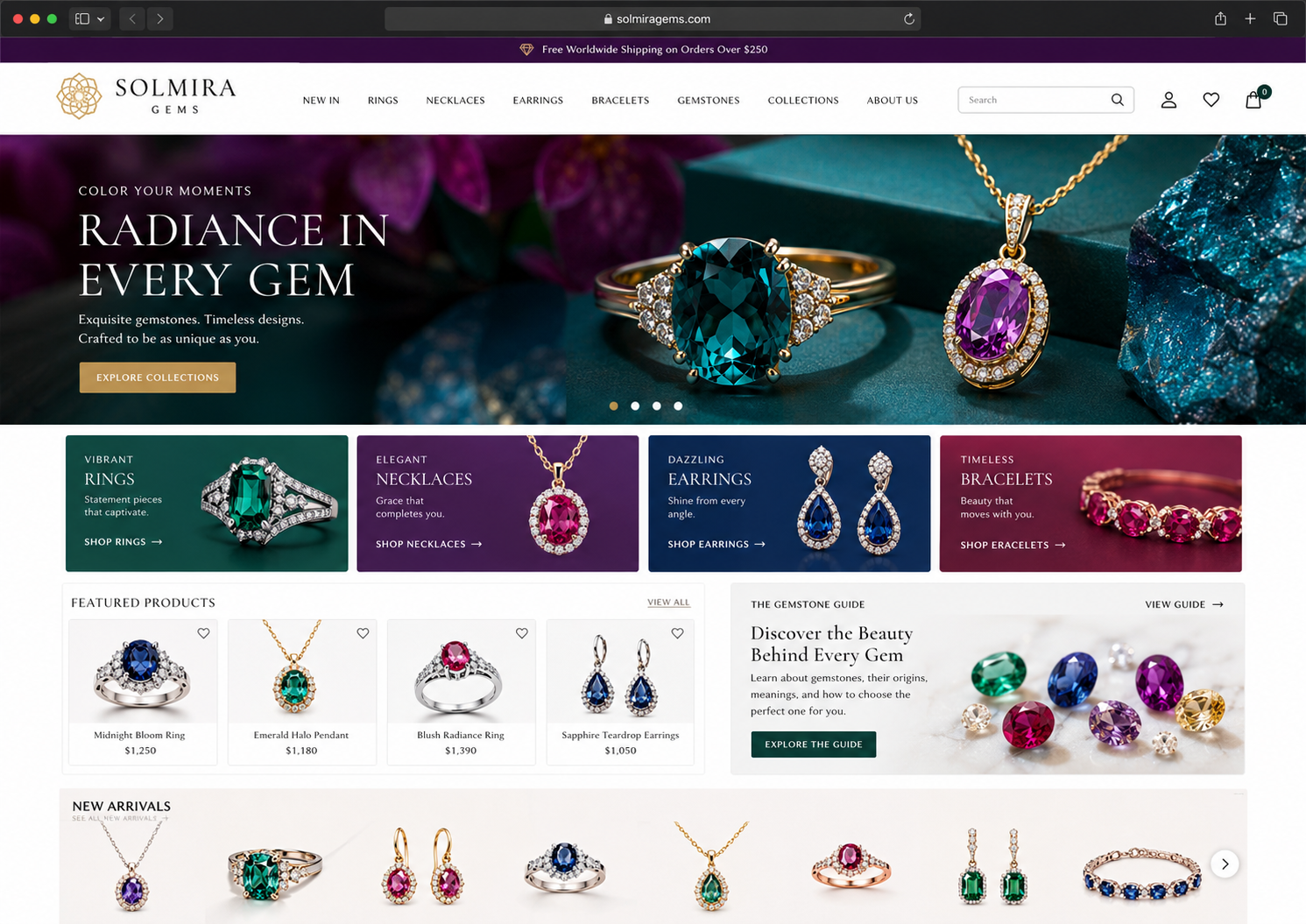
Solmira gem storefront
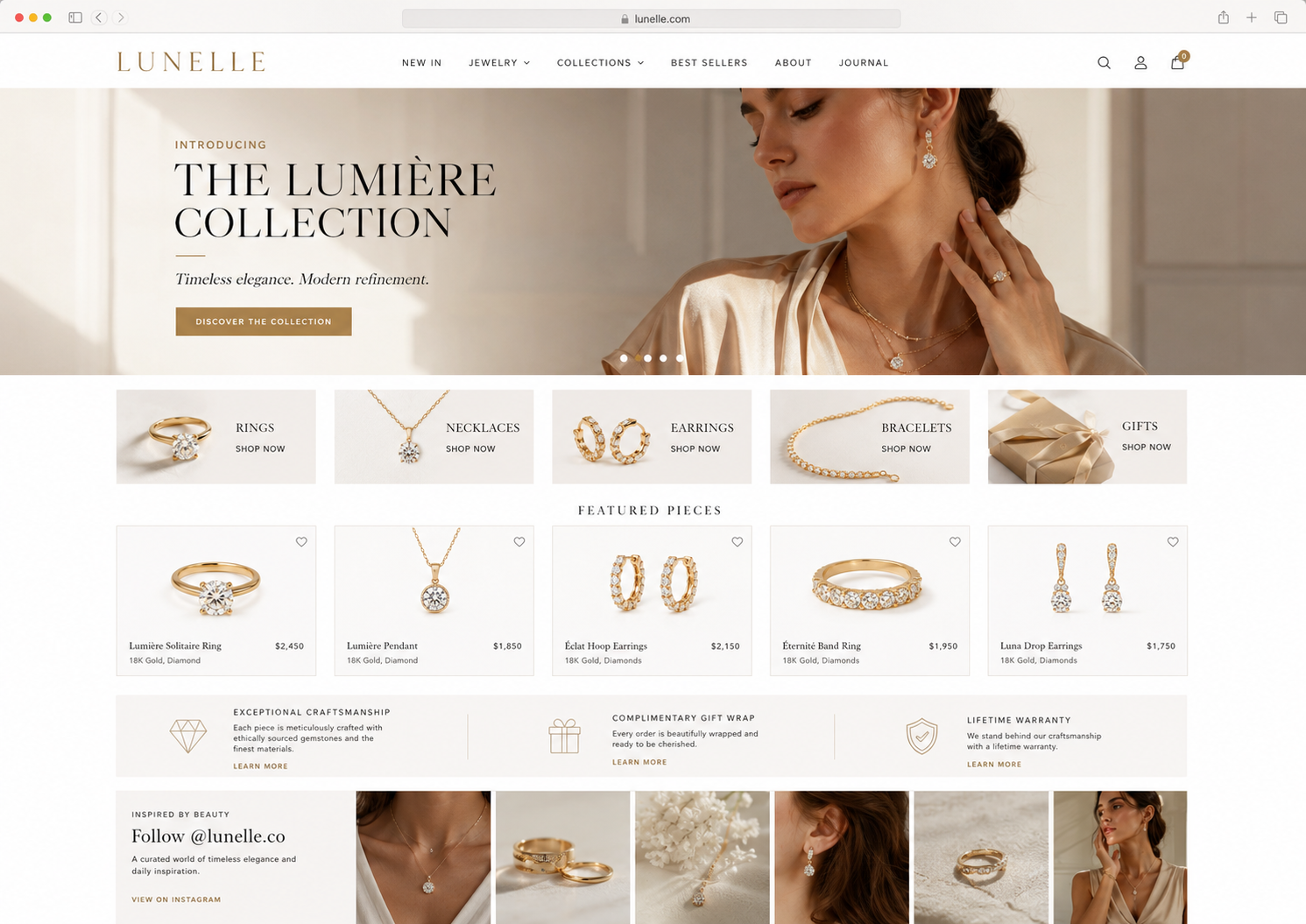
Lunelle storefront
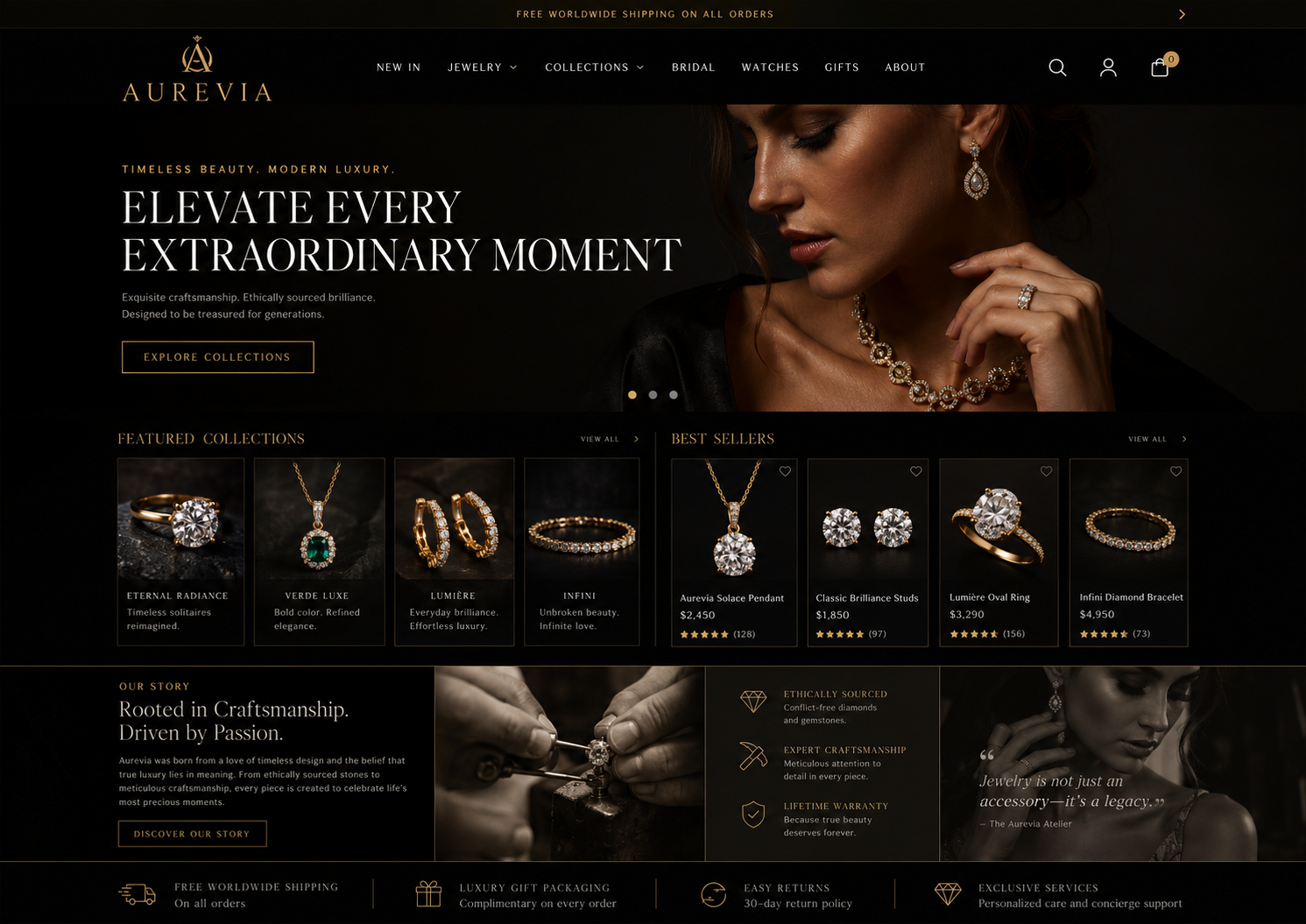
Eloria atelier storefront
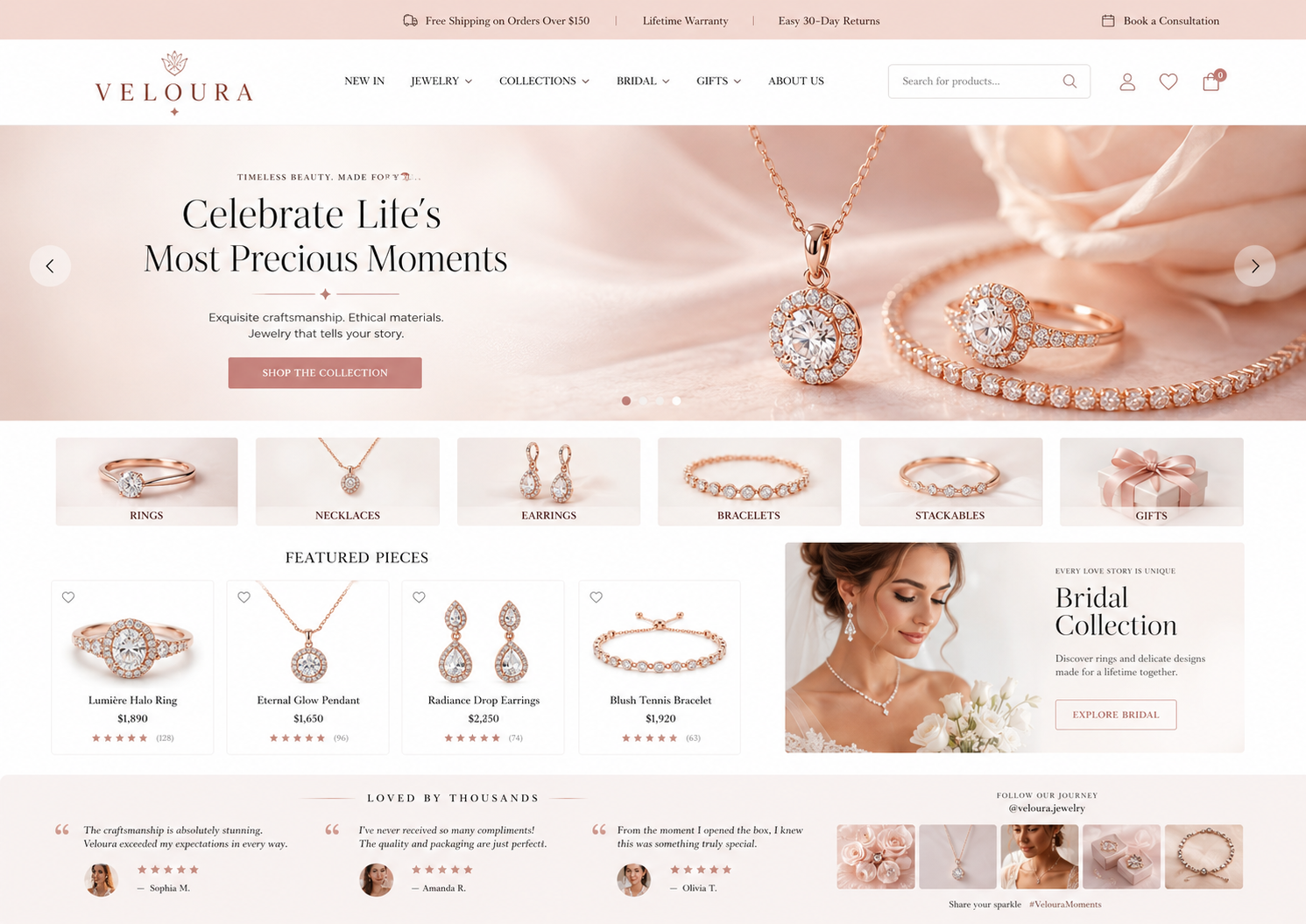
Veloura bridal storefront
to submit · free to start, no credit card
Who it’s for

Built for the whole US jewelry trade.

From a digital studio launching its first collection to a manufacturer running a full bench — GemHub OS adapts to how the operation actually works. Same platform, different ways in.

New digital brand

Digital jewelry studio launching in the US

  • Spin up a jewelry-native storefront in minutes — brand, palette, voice, launch SKUs
  • Inventory, marketplace, and orders wired from day one — no spreadsheet bridge
  • A built-in AI team that drafts collections, restocks, and handles repricing as you grow
Established US business

Established US jewelry retailers & wholesalers

  • Plugs into whatever ERP you run — closes the parcel / memo / certificate gap
  • Multi-hub inventory and consignment lifecycle: memo-out, recall, aging, write-off
  • Wholesale + retail + RFQ — one queue, audit-trailed end to end
Suppliers

Gem, diamond and gold suppliers

  • Live parcel and lot inventory at stone-grade depth — not just SKU count
  • GIA / EGL certificates as first-class records, hashed and registry-aware
  • Memo-out tracking, aging, and recall workflows that match how the trade really moves
Manufacturers

Jewelry factories & manufacturers

  • Work-order, bench, and BOM tracking — every stone and every gram accounted for
  • Per-piece P&L: labor, materials, setting, finishing — visible in real time
  • Sub-ledger export back into your accounting / ERP — no double bookkeeping
Platform modules

Every module, given its due.

Eight category surfaces, dozens of sub-modules behind each one — all sharing one database, one design system, and one team of AI agents.

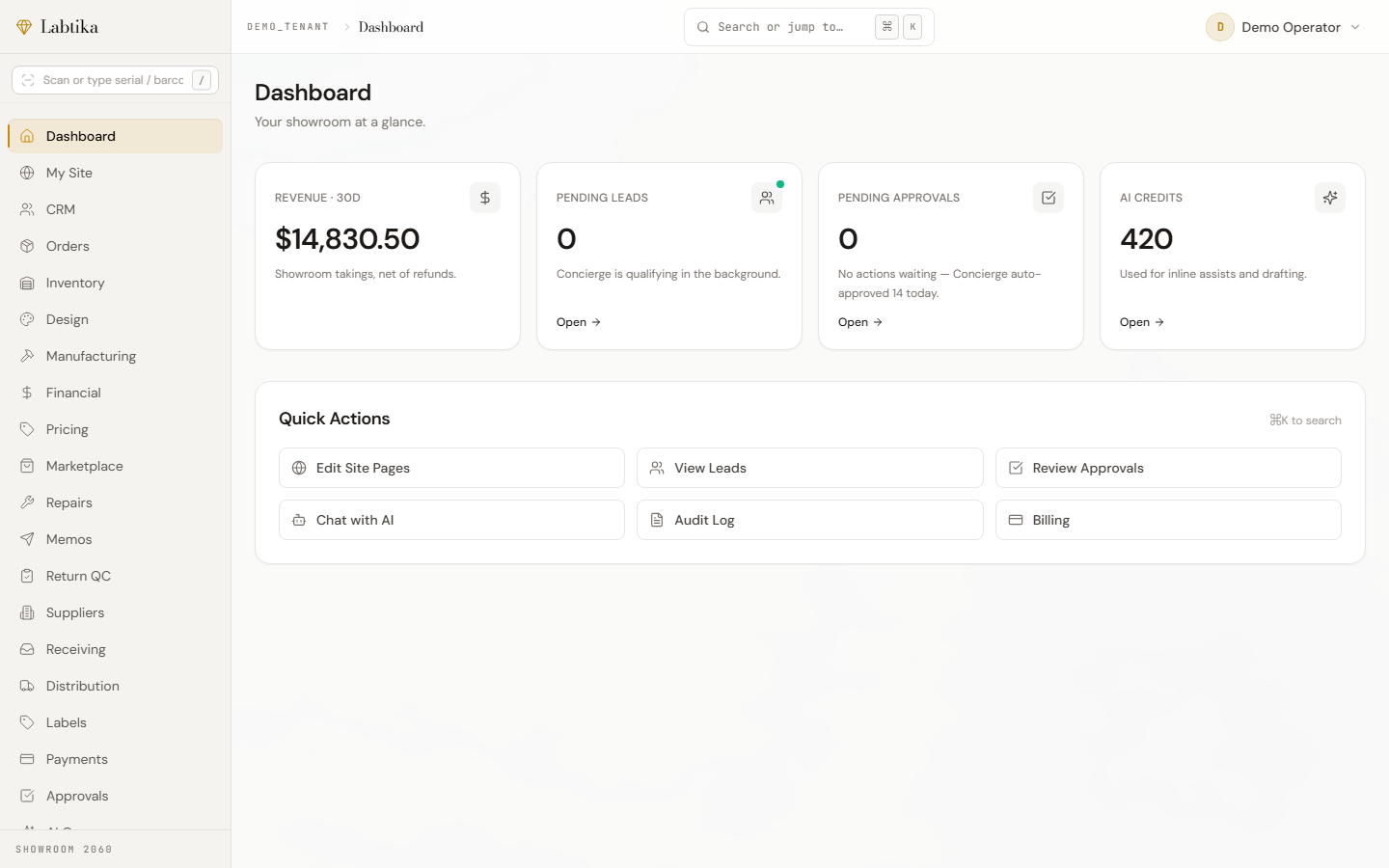
GemHub dashboard

One pane of glass for the whole business.

Sales, stock, repairs, memos, agent decisions — live, drillable, and exportable to your board deck.

  • Overview
  • Revenue
  • Margin
  • Stock value
  • Sell-through
  • Alerts
Open module
GemHub dashboard screen
GemHub inventory

Every stone, every SKU, in one place.

Multi-hub, multi-currency, multi-channel. 120,000+ stones, real-time movement, typed reservations.

  • SKUs
  • Stones
  • Lots
  • Reservations
  • Transfers
  • Stale alerts
Open module
GemHub inventory screen
GemHub marketplace

A storefront that knows your inventory.

Diamonds, jewelry, watches, melee — each track its own UX, all sharing your live catalogue.

  • Jewelry
  • Diamonds
  • Watches
  • Melee
  • RFQ desk
Open module
GemHub marketplace screen
GemHub orders

Orders that never fall through the cracks.

Shopify, marketplace, wholesale, in-store, RFQ — one queue, one source of truth, one audit trail.

  • Online
  • Wholesale
  • POS
  • RFQ
  • Returns
  • Held
Open module
GemHub orders screen
GemHub repairs

Repairs, ticketed and tracked.

From drop-off to delivery, with customer comms, technician notes, and a clean P&L per ticket.

  • Intake
  • Workshop
  • Ready
  • Delivered
  • P&L
Open module
GemHub repairs screen
GemHub memos

Memo-out, memo-return — properly.

Track consignments at line-item level, with provenance, recall workflows, and aging alerts.

  • Out
  • Return
  • Aging
  • Recalls
  • Provenance
Open module
GemHub memos screen
GemHub migration

Move in without losing anything.

AI discovers the schema; a typed engine writes every row. Sandbox-first, audit-trailed, rollback-ready.

  • Sources
  • Mapping
  • Questions
  • Sandbox
  • Go-live
  • Audit
Open module
GemHub migration screen
GemHub settings

Roles, tenants, SSO — the boring parts, done right.

Per-role permissions, per-tenant data isolation, SAML/SSO, and a clean self-serve admin surface.

  • Roles
  • Tenants
  • SSO
  • Integrations
  • Permissions
  • Audit
Open module
GemHub settings screen
← scroll · 8 surfaces · →
Integrations

Complements your stack. Doesn’t replace it.

GemHub OS sits beside your ERP, your accounting system, and your POS — closing the jewelry-specific gap none of them were built to model.

NetSuiteGL · inventory ledger
QuickBooksInvoices · reconciliation
ShopifyStorefront · orders
NivodaLive diamonds + PO
RapNetPolished feeds + price
The EdgeRetail POS import
JewelMateLegacy ERP source
Excel / CSVSchema-aware ingest
Product tour

Four jewelry workflows, built in.

Not a generic ERP with a jewelry skin. Four real workflows that don’t fit a standard OMS or accounting line-item — each one a native primitive in GemHub OS.

Memo-out at certificate level

Every parcel out, every stone, with GIA certificate hashing — aged, recall-aware, reconciled against your GL.

Live AI capabilities

Ten capabilities. All shipping today.

The jewelry intelligence layer that knows the difference between a memo and a sale. Every capability below is LIVE in GemHub OS — backed by file evidence in 01b-ai-capability-inventory.md.

AI-01Live

Brand kit generator

Drafts brand name, palette, voice, and a 12-SKU launch plan from a single prompt.

ERP gap resolved: Replaces the 6-week branding engagement small teams can’t afford.

AI-02Live

Migration schema discovery

Reads your legacy ERP / spreadsheet stack and proposes a typed mapping, asking the right business questions.

ERP gap resolved: ERP migrations stall on schema interrogation — GemHub OS does the asking.

AI-03Live

Inventory anomaly surfacer

Continuously monitors movement and flags stale memos, mispriced lots, and lost stones.

ERP gap resolved: The memo gap your ERP alone leaves open.

AI-04Live

GIA fraud flag

Checks GIA / EGL hash chain against registry and flags duplicate or modified certificates.

ERP gap resolved: Certificate fraud detection at parcel intake.

AI-05Live

Reprice agent

Watches gold / platinum spot and surfaces SKUs whose margin has crossed a threshold.

ERP gap resolved: Manual reprice cycles that lag spot moves by days.

AI-06Live

Restock agent

Tracks sell-through against supplier lead time; recommends PO drafts with Nivoda / RapNet.

ERP gap resolved: Stockouts on bestsellers in fast-moving cuts and karats.

AI-07Live

Memo aging agent

Flags memos > 60d / 90d with no movement and proposes recall or write-off batches.

ERP gap resolved: Stale consignments your ERP alone cannot age.

AI-08Live

Repair P&L agent

Computes labor + materials + bench-hours against quoted price; flags loss tickets in real time.

ERP gap resolved: Repair P&L invisible in standard accounting.

AI-09Live

SKU variant generator

Expands a collection brief into a typed variant matrix with metal × karat × setting math.

ERP gap resolved: Combinatorial SKU explosion that overwhelms standard ERP.

AI-10Live

Audit explainer

Translates a row-level audit trail into a one-paragraph narrative for the auditor or board.

ERP gap resolved: Audit prep that consumed CFO days, not minutes.

On the roadmap: AI-11 Q3 2026 — Gemini migration field mapping On the roadmap: AI-12 Q4 2026 — auto-LLM product description enrichment
Why your ERP alone falls short

Your ERP knows the dollars. Not the stones.

Every ERP — whatever brand you run — was built to model dollars and SKUs. The jewelry trade lives one level deeper: parcels, certificates, repair tickets, consignments. GemHub OS closes the three places where that gap shows up.

01

The memo gap

Your ERP holds the GL but cannot track parcel-level memo-out, consignment-in, or per-stone certificate chain. Those live in spreadsheets and institutional memory — until they don’t.

ICP-T1
02

SKU variant explosion

A seasonal collection produces a combinatorial matrix of metal × karat × setting × stone grade × size. Standard ERP variant models were built for apparel, not stone-grade math.

ICP-T4
03

Repair is not an order

A repair ticket carries a customer-owned item, a setting change, a quoted labor fee, and a photo trail. None of that fits a standard OMS line-item model.

ICP-T3
CapabilityYour ERP aloneGeneric SaaS point toolsGemHub OS
Parcel-level memo trackingManual / spreadsheetPartial, no GL postPer-stone, GL-posted
GIA certificate chain of custodyPDF attachmentRareHashed, registry-aware
Repair ticket P&LWorkaroundExternal toolNative, photo-trailed
Lot / stone-grade marginOff-systemApparel modelNative, per-stone
Pricing

Priced per tenant. Not per seat.

Free during private beta. Production pricing scales with active SKUs and active modules — never with how many people log in.

Studio

Freeprivate beta
  • 1 tenant · up to 2,500 active SKUs
  • All AI-01..AI-10 LIVE capabilities
  • Migration Studio sandbox
  • Email support

Enterprise

Custommulti-tenant · SSO
  • Unlimited SKUs · multi-tenant
  • SSO / SAML · per-role permissions
  • Dedicated migration engineer
  • Roadmap influence + SLA
  • AI-11 (Q3) and AI-12 (Q4) at GA*

* AI-11 and AI-12 are roadmap capabilities — not LIVE at private beta. Final pricing published before GA.

FAQ

Questions, answered straight.

Does GemHub OS replace my ERP?
No. GemHub OS is the jewelry intelligence layer that sits beside whatever ERP you already run. We model parcel-level memos, GIA certificate chains, repair tickets, and SKU variant matrices — and post back into your GL as a clean sub-ledger.
Will the AI write to my live data?
Never by default. AI surfaces and recommends; a deterministic engine executes only after a typed human approval. Every write is logged with row-level provenance and is rollback-ready.
How long does migration take?
Independent stores: 3–7 days. Multi-store retailers: 2–4 weeks. We start with a read-only sandbox, diff every record, then go-live with a one-click confirmation.
Where is my data stored?
GCP US-CENTRAL by default for US tenants. SOC 2 Type I in progress. Encrypted at rest and in transit. Your data exports anytime in CSV + JSONL.
How do you handle GIA certificates?
Certificates are first-class records — hashed, registry-verified, and chain-of-custody tracked. Duplicate or modified certificates raise a fraud flag at parcel intake (AI-04).
What about pricing transparency?
Free during private beta. Production pricing is per-tenant + per-active-SKU, with no per-seat tax. Final pricing is published before GA.

Close the gap between your ERP and your spreadsheets.

Join the US jewelry businesses building on the jewelry intelligence layer. Early access opens to a limited cohort each quarter.

Starting a new jewelry business?

Launch a US jewelry brand without the back office.

A separate path for founders launching a new US jewelry brand — brand kit, storefront, and a curated collection structure, generated from a single prompt.

Start building free